Introduction
Manufacturing companies are facing unprecedented challenges in today’s rapidly evolving business environment. Rising customer expectations, global supply chain disruptions, increasing production costs, labor shortages, and growing competition are forcing manufacturers to rethink how they manage their operations. Traditional management systems and disconnected software applications are no longer sufficient for handling the complexity of modern manufacturing processes.
This is where cloud ERP software for manufacturing companies has become a game-changing solution. Enterprise Resource Planning (ERP) systems help manufacturers centralize business operations, streamline workflows, improve visibility, automate processes, and make better decisions based on real-time data. Unlike traditional on-premise ERP systems, cloud-based ERP solutions offer greater flexibility, lower infrastructure costs, enhanced scalability, and remote accessibility.
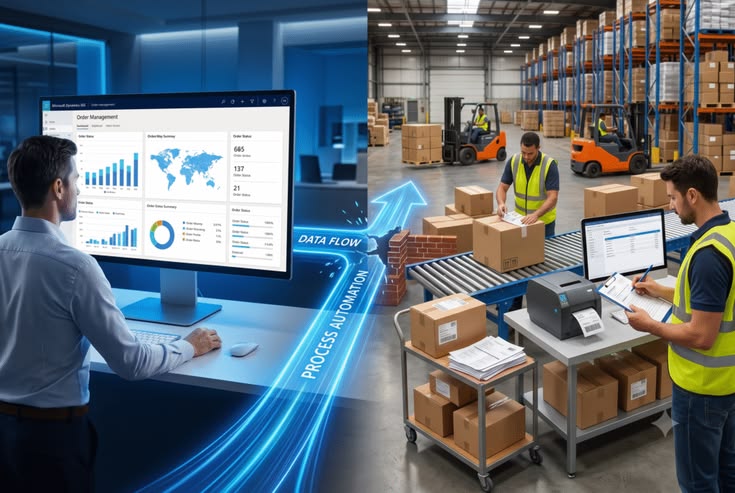
Manufacturers today need complete visibility into production schedules, inventory levels, procurement processes, supply chain performance, quality control measures, and financial operations. Cloud ERP software brings all these functions together into a single platform, creating a unified environment where information flows seamlessly across departments. This integrated approach enables businesses to improve efficiency, reduce operational costs, and respond more quickly to changing market conditions.
As digital transformation continues to reshape the manufacturing industry, cloud ERP solutions have become essential for companies seeking long-term growth and competitiveness. Whether you’re a small manufacturer looking to modernize operations or a large enterprise managing multiple production facilities, choosing the right ERP system can significantly impact productivity, profitability, and customer satisfaction.
In this comprehensive guide, we’ll explore everything you need to know about cloud ERP software for manufacturing companies, including its benefits, key features, implementation considerations, top solutions, future trends, and how to choose the best platform for your organization.

Why Manufacturing Companies Need Cloud ERP Software
Manufacturing operations involve numerous interconnected processes that must work together efficiently to ensure smooth production and timely delivery. From raw material procurement and inventory management to production planning and customer fulfillment, every stage of the manufacturing process generates valuable data that influences business performance.
Many manufacturers still rely on separate software applications, spreadsheets, and manual processes to manage different parts of their operations. While this approach may work initially, it often creates inefficiencies as businesses grow. Data becomes fragmented across departments, reporting becomes difficult, and decision-makers struggle to gain a complete view of operations.
Cloud ERP software addresses these challenges by creating a centralized system that connects every aspect of the manufacturing business. Sales teams can access inventory information in real time, production managers can monitor schedules more effectively, procurement teams can optimize purchasing decisions, and executives can gain valuable insights through advanced reporting and analytics.
By eliminating data silos and improving operational visibility, cloud ERP software enables manufacturers to make faster, more informed decisions while reducing errors and inefficiencies throughout the organization.
What Is Cloud ERP Software?
Cloud ERP software is a business management solution hosted on remote servers and accessed through the internet. Unlike traditional ERP systems that require on-premise infrastructure and dedicated IT resources, cloud ERP platforms are managed by software providers and delivered as a subscription-based service.
This model offers several advantages for manufacturing companies. Businesses can access the system from any location with an internet connection, making it easier to support remote teams, multiple facilities, and global operations. Software updates, security patches, and maintenance tasks are handled by the vendor, reducing the burden on internal IT departments.
Cloud ERP systems integrate various business functions into a single platform, including:
- Manufacturing management
- Inventory control
- Supply chain management
- Procurement
- Financial management
- Customer relationship management
- Quality assurance
- Human resources
- Reporting and analytics
By consolidating these functions into one system, manufacturers gain a unified view of operations and improve collaboration across departments.
Key Features of Manufacturing Cloud ERP Software
Selecting the right ERP solution requires understanding the features that matter most for manufacturing operations.
Production Planning and Scheduling
Efficient production planning is critical for meeting customer demand while minimizing costs. Cloud ERP software helps manufacturers create accurate production schedules based on available resources, inventory levels, labor capacity, and customer orders.
Advanced scheduling tools can automatically adjust production plans when disruptions occur, helping businesses maintain efficiency even in unpredictable conditions.
Inventory Management
Inventory is one of the most valuable assets in manufacturing. Too much inventory increases carrying costs, while insufficient inventory can lead to production delays and missed sales opportunities.
Cloud ERP software provides real-time inventory tracking across multiple warehouses and production facilities. Manufacturers can monitor stock levels, forecast demand, automate replenishment, and reduce inventory-related risks.
Supply Chain Management
Modern manufacturing depends heavily on efficient supply chain operations. Cloud ERP platforms help businesses manage supplier relationships, track shipments, monitor procurement activities, and identify potential disruptions before they impact production.
Enhanced supply chain visibility allows manufacturers to respond quickly to changes and maintain operational continuity.
Quality Management
Maintaining consistent product quality is essential for customer satisfaction and regulatory compliance. Manufacturing ERP systems often include quality management tools that help businesses monitor production standards, conduct inspections, manage corrective actions, and ensure compliance with industry requirements.
Financial Management
Manufacturing companies must carefully monitor costs, profitability, and cash flow. Cloud ERP software integrates financial management capabilities with operational data, enabling businesses to track expenses, manage budgets, generate financial reports, and analyze profitability across products and production lines.

Benefits of Cloud ERP Software for Manufacturing Companies
The adoption of cloud ERP software offers numerous benefits that can significantly improve manufacturing performance.
Improved Operational Efficiency
One of the most significant advantages of cloud ERP software is its ability to streamline operations. By automating routine tasks and integrating business processes, manufacturers can reduce manual work, eliminate duplicate data entry, and improve productivity across departments.
Employees spend less time searching for information and more time focusing on value-added activities that contribute to business growth.
Real-Time Visibility
Cloud ERP systems provide real-time access to critical business information. Managers can monitor production performance, inventory levels, order status, and financial metrics through customizable dashboards and reports.
This visibility enables faster decision-making and helps businesses identify issues before they become major problems.
Reduced Costs
By improving efficiency, optimizing inventory, and automating processes, cloud ERP software helps manufacturers reduce operational costs. Additionally, cloud deployment eliminates the need for expensive on-premise infrastructure and ongoing hardware maintenance.
Better Customer Service
Accurate information and streamlined workflows enable manufacturers to respond more effectively to customer inquiries, provide realistic delivery estimates, and fulfill orders more efficiently.
Improved customer service contributes to higher satisfaction rates and stronger long-term relationships.
Scalability
As manufacturing companies grow, their operational requirements become more complex. Cloud ERP software provides the flexibility to add users, facilities, and functionality without requiring major system upgrades or infrastructure investments.
Top Cloud ERP Software for Manufacturing Companies
Microsoft Dynamics 365 Supply Chain Management
Microsoft Dynamics 365 is a leading ERP solution that combines advanced manufacturing capabilities with powerful analytics and AI-driven insights.
The platform supports production planning, inventory management, procurement, quality control, and supply chain optimization. Integration with Microsoft products such as Teams, Excel, and Power BI makes it particularly attractive for organizations already using the Microsoft ecosystem.
Manufacturers benefit from real-time visibility, predictive analytics, and intelligent automation that improve operational efficiency and decision-making.
SAP S/4HANA Cloud
SAP S/4HANA Cloud is one of the most comprehensive ERP solutions available for large manufacturing enterprises.
The platform offers advanced manufacturing planning, supply chain management, financial management, and analytics capabilities. Its in-memory database architecture enables rapid processing of large volumes of data, making it ideal for complex manufacturing environments.
SAP’s extensive industry expertise and global support network make it a popular choice among multinational manufacturers.
Oracle Fusion Cloud ERP
Oracle Fusion Cloud ERP provides a powerful suite of tools designed to support manufacturing operations, financial management, procurement, and supply chain optimization.
The platform incorporates artificial intelligence and machine learning technologies that help manufacturers improve forecasting accuracy, automate workflows, and optimize resource allocation.
Oracle’s cloud-first approach ensures scalability and continuous innovation.
Infor CloudSuite Industrial
Infor CloudSuite Industrial is specifically designed for manufacturing companies and offers industry-focused functionality tailored to production environments.
The platform supports discrete manufacturing, process manufacturing, and mixed-mode operations. Features include advanced scheduling, inventory optimization, quality management, and business intelligence tools.
Manufacturers appreciate Infor’s deep industry expertise and user-friendly interface.
NetSuite ERP
NetSuite ERP is a cloud-native solution that provides comprehensive business management capabilities for manufacturers of all sizes.
The platform integrates manufacturing, inventory, financial management, procurement, and customer relationship management into a single system. Real-time visibility and customizable reporting help businesses make informed decisions and improve operational performance.
NetSuite’s scalability makes it suitable for both growing manufacturers and established enterprises.

How AI Is Transforming Manufacturing ERP
Artificial intelligence is rapidly becoming a critical component of modern ERP systems.
AI-powered ERP platforms can analyze vast amounts of operational data to identify patterns, predict outcomes, and recommend actions that improve efficiency. Manufacturers use AI to optimize production schedules, forecast demand, predict equipment failures, and improve quality control processes.
Machine learning algorithms continuously improve performance by learning from historical data and adapting to changing business conditions. As AI capabilities continue to evolve, manufacturers can expect ERP systems to become even more intelligent and proactive.
Common Challenges During ERP Implementation
Implementing a cloud ERP system is a significant undertaking that requires careful planning and execution.
Common challenges include:
Data Migration
Transferring data from legacy systems can be complex and time-consuming.
Employee Resistance
Change management is essential for achieving user adoption and maximizing system benefits.
Process Standardization
Organizations may need to redesign existing workflows to align with ERP best practices.
Integration Complexity
Connecting ERP software with other business systems requires careful planning and testing.
Addressing these challenges proactively increases the likelihood of a successful implementation.
How to Choose the Best Cloud ERP Software for Manufacturing Companies
Selecting the right ERP solution requires a thorough evaluation of business needs, operational complexity, growth objectives, and budget constraints.
Manufacturers should consider:
- Industry-specific functionality
- Scalability
- Integration capabilities
- User experience
- Reporting and analytics
- Security features
- Vendor reputation
- Total cost of ownership
Involving stakeholders from multiple departments helps ensure that the chosen solution meets organizational requirements and supports long-term goals.
Future Trends in Manufacturing ERP
The manufacturing ERP landscape continues to evolve as new technologies emerge.
Key trends include:
AI-Driven Automation
Increasing use of artificial intelligence for predictive analytics and decision-making.
Internet of Things (IoT) Integration
Connecting ERP systems with production equipment and sensors for real-time monitoring.
Advanced Analytics
Greater emphasis on data-driven insights and performance optimization.
Sustainability Tracking
Monitoring environmental impact and supporting sustainability initiatives.
Enhanced Mobility
Improved mobile access for employees working across facilities and locations.
Manufacturers that embrace these innovations will be better positioned to compete in an increasingly digital marketplace.

Frequently Asked Questions
What is cloud ERP software for manufacturing companies?
Cloud ERP software is a business management platform that helps manufacturers manage production, inventory, supply chain operations, finances, and other critical processes through a cloud-based system.
Why do manufacturers need ERP software?
ERP software improves efficiency, provides real-time visibility, reduces costs, and supports better decision-making across manufacturing operations.
What is the best cloud ERP for manufacturing?
Popular options include Microsoft Dynamics 365, SAP S/4HANA Cloud, Oracle Fusion Cloud ERP, Infor CloudSuite Industrial, and NetSuite ERP.
How much does manufacturing ERP software cost?
Costs vary based on the number of users, features, customization requirements, and deployment scale.
Is cloud ERP better than on-premise ERP?
Cloud ERP generally offers greater flexibility, lower infrastructure costs, easier updates, and improved accessibility compared to traditional on-premise solutions.
How long does ERP implementation take?
Implementation timelines vary depending on organizational complexity but typically range from several months to over a year for large enterprises.
Conclusion
Cloud ERP software has become an essential technology investment for manufacturing companies seeking greater efficiency, visibility, and competitiveness. By integrating production management, inventory control, supply chain operations, financial management, and analytics into a single platform, ERP systems help manufacturers streamline operations and make more informed decisions.
Solutions such as Microsoft Dynamics 365, SAP S/4HANA Cloud, Oracle Fusion Cloud ERP, Infor CloudSuite Industrial, and NetSuite ERP offer powerful capabilities tailored to the needs of modern manufacturers. Choosing the right platform requires careful evaluation of business goals, operational requirements, scalability needs, and budget considerations.
As digital transformation continues to reshape the manufacturing industry, organizations that invest in advanced cloud ERP solutions will be better positioned to improve productivity, reduce costs, enhance customer satisfaction, and achieve long-term success in an increasingly competitive marketplace.