
Introduction
After months of anticipation, House of the Dragon Season 3 finally arrives with an explosive premiere that immediately reminds viewers why the series has become one of television’s biggest fantasy dramas. Rather than easing audiences back into the world of Westeros, Episode 1 throws them directly into the escalating conflict known as the Dance of the Dragons. Political negotiations have largely failed, alliances are becoming increasingly fragile, and every major character understands that the kingdom has reached a point where words alone can no longer prevent bloodshed.
The premiere successfully balances spectacular visuals with emotionally driven storytelling. While dragon warfare remains one of the show’s biggest attractions, the episode wisely focuses on the human consequences of power, revenge, and ambition. Every conversation carries political weight, every military decision has lasting consequences, and every victory comes with devastating personal sacrifices. Longtime fans will recognize that this episode serves as the true beginning of the civil war that George R. R. Martin described in Fire & Blood, while new viewers are quickly reminded that no character is truly safe.
Episode 1 also demonstrates a noticeable improvement in pacing. Earlier seasons often spent multiple episodes building toward major events, but the Season 3 premiere wastes very little time. Important political developments, strategic planning, emotional confrontations, and large-scale action all unfold naturally without feeling rushed. By the end of the episode, viewers are left with a clear understanding that the conflict has entered a dangerous new phase from which there is no easy return.
A Kingdom on the Brink of Collapse
The premiere opens with Westeros already suffering from the consequences of the growing civil war. The fragile peace that once held the Seven Kingdoms together has disappeared, replaced by fear, uncertainty, and deep political divisions. Noble houses that previously attempted to remain neutral now realize they must choose a side, knowing that indecision may prove just as dangerous as open rebellion.
The episode effectively captures the atmosphere of a kingdom slowly collapsing under the weight of competing claims to the Iron Throne. Every region feels the impact of the conflict, whether through disrupted trade, military mobilization, food shortages, or growing distrust between former allies. Rather than focusing solely on the Targaryen family, the series expands its scope by showing how ordinary people and lesser noble houses are affected by decisions made in royal councils.
This broader perspective gives the conflict greater emotional depth. The war is no longer simply a family dispute; it has become a national crisis with consequences that extend far beyond the royal family.
Rhaenyra Faces the Burden of Leadership
Queen Rhaenyra enters the new season carrying enormous emotional and political responsibilities. The losses she has suffered continue to shape her decisions, but the premiere shows a leader who understands that hesitation could ultimately cost her the throne. Emma D’Arcy delivers another powerful performance, portraying a queen struggling to balance compassion with the harsh realities of war.
Throughout the episode, Rhaenyra must evaluate military strategies, negotiate with allies, and maintain confidence among supporters who increasingly question whether diplomacy remains possible. Her advisors frequently offer conflicting recommendations, forcing her to make difficult choices without complete information. These moments highlight one of the series’ central themes: leadership often requires selecting the least damaging option rather than the perfect one.
The episode also explores Rhaenyra’s personal isolation. While surrounded by loyal supporters, she bears the emotional weight of every decision alone. This growing sense of responsibility gradually transforms her into a stronger but more hardened ruler, setting the stage for significant character development throughout the season.

Daemon Continues to Defy Expectations
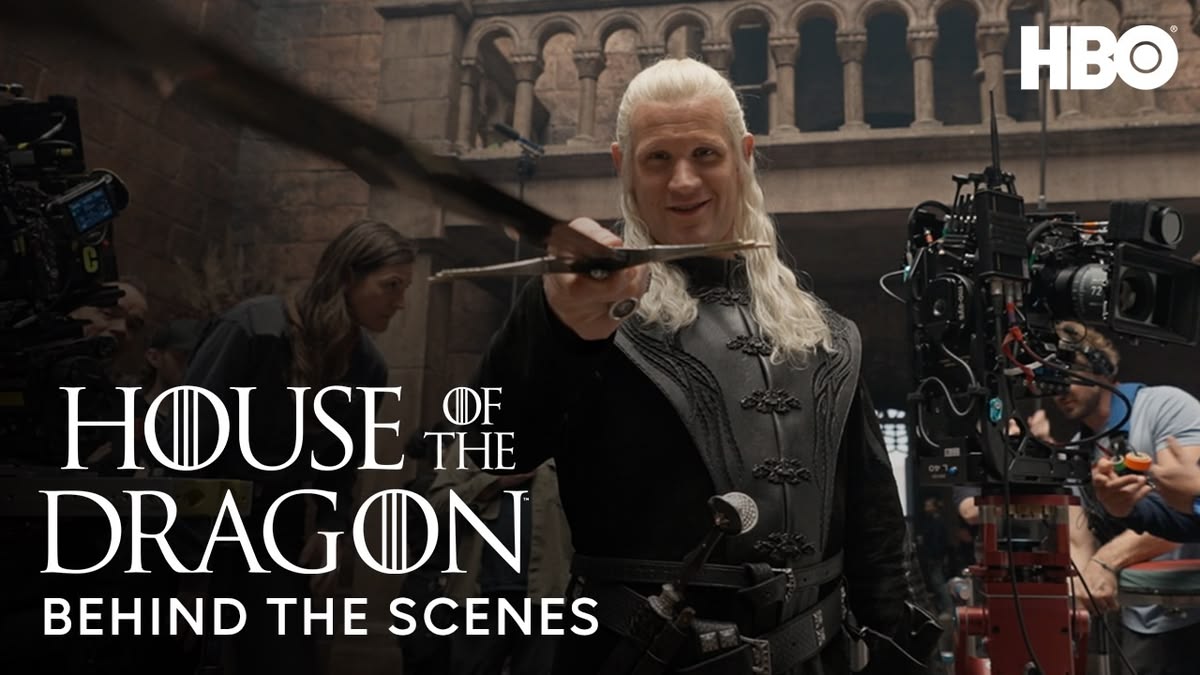
Matt Smith once again delivers one of the episode’s most captivating performances as Daemon Targaryen. His unpredictable personality remains one of the show’s greatest strengths because neither allies nor enemies can fully anticipate his actions. In Episode 1, Daemon demonstrates both his military brilliance and his willingness to embrace extreme measures when he believes they will strengthen Rhaenyra’s position.
Despite his confidence, the episode also reveals moments of vulnerability that add further complexity to his character. His relationship with Rhaenyra continues to evolve as both leaders attempt to balance personal emotions with political necessity. Rather than functioning as a reckless warrior, Daemon increasingly appears as an experienced commander who understands the brutal realities of prolonged conflict.
Several of the episode’s strongest dialogue scenes involve Daemon discussing strategy with military leaders and questioning whether traditional concepts of honor still have a place in a war that continues growing more destructive.
The Greens Prepare for Total War
On the opposing side, the Green Council recognizes that the conflict has entered a decisive stage. Internal disagreements remain, but military preparation now takes priority over political maneuvering. The leadership understands that maintaining unity will be essential if they hope to challenge Rhaenyra’s growing coalition.
Aegon II continues struggling with the enormous pressure of ruling during wartime, while Aemond increasingly emerges as the faction’s most dangerous military strategist. His confidence, intelligence, and willingness to embrace aggressive tactics create growing tension within his own ranks, yet they also make him one of the most formidable opponents facing Team Black.
The premiere carefully develops these internal dynamics without portraying either faction as entirely heroic or villainous. Instead, viewers witness flawed individuals making impossible choices within an increasingly chaotic political environment.

Dragons Become Weapons of War
Although dragons have always represented Targaryen power, Episode 1 makes it clear that they are no longer symbols alone—they are now active instruments of warfare. The premiere features several breathtaking sequences that showcase the immense scale and destructive potential of dragon combat while emphasizing the devastating consequences such power brings to both soldiers and civilians.
The visual effects have improved considerably since earlier seasons. Every dragon possesses distinctive movements, physical characteristics, and personalities that help viewers distinguish them during aerial scenes. Rather than relying solely on spectacle, however, the series consistently reminds audiences that these magnificent creatures are being forced into human conflicts they did not create.
The result is action that feels emotionally meaningful rather than simply entertaining. Each dragon battle carries lasting consequences for both factions and raises the stakes for future confrontations.
Political Strategy Remains the Heart of the Series
Despite the larger action sequences, House of the Dragon continues to distinguish itself through intelligent political storytelling. Every conversation between rulers, advisors, generals, and noble families influences the direction of the war. Alliances shift quickly, secret negotiations continue behind closed doors, and personal relationships frequently affect military decisions.
The premiere demonstrates that victory will depend not only on dragons but also on diplomacy, intelligence gathering, resource management, and public support. This combination of political intrigue and large-scale warfare gives the series a depth rarely found in fantasy television.
Rather than simplifying the conflict into heroes versus villains, the writers continue presenting complex moral choices that encourage viewers to understand multiple perspectives, even when they disagree with a character’s actions.

A Strong Start to an Ambitious Season
As an opening episode, Season 3 successfully accomplishes several difficult goals. It reconnects viewers with the major characters, establishes the new political landscape, introduces fresh military conflicts, and creates anticipation for future episodes without overwhelming audiences with exposition.
The pacing feels considerably more confident than some earlier installments, balancing quieter character moments with major action sequences. Every scene contributes to the larger narrative while continuing to develop the emotional journeys of the central characters.
Most importantly, Episode 1 makes one thing unmistakably clear: the Dance of the Dragons has truly begun, and the battles ahead will determine not only who rules Westeros but whether the Targaryen dynasty can survive its own internal divisions.
Character Development Takes Center Stage
While the breathtaking visuals and large-scale conflict immediately capture attention, one of the greatest strengths of House of the Dragon Season 3 Episode 1 is its commitment to character-driven storytelling. The writers understand that dragon battles alone cannot carry a series of this scale. Instead, the episode spends considerable time exploring the emotional state of its central characters, allowing viewers to understand the motivations behind every important decision.
Rhaenyra is no longer the hopeful heir audiences first met in Season 1. Years of political conflict, betrayal, and personal tragedy have transformed her into a ruler who understands that compassion must sometimes give way to difficult choices. Emma D’Arcy delivers a nuanced performance that balances confidence with vulnerability, showing a queen determined to protect her claim while quietly carrying the weight of enormous responsibility.
Daemon Targaryen also continues to evolve. Rather than functioning solely as an unpredictable warrior, he increasingly appears as a seasoned military leader capable of recognizing the long-term consequences of war. His loyalty to Rhaenyra remains strong, yet the episode hints that future disagreements over strategy may create additional tension within Team Black.
On the opposing side, Alicent Hightower struggles with the consequences of years spent pursuing political power. Olivia Cooke portrays a woman caught between loyalty to her family and growing awareness of the destruction surrounding her. These quieter moments provide important emotional balance between the larger action sequences.
The Importance of the Dance of the Dragons
The civil war known as the Dance of the Dragons remains the foundation of the series, and Episode 1 reinforces why it is considered one of the most tragic periods in the history of Westeros. Unlike external invasions or conflicts against distant enemies, this war is fought between members of the same family. Every battle forces relatives to fight one another, creating emotional consequences that extend far beyond military victories.
The episode repeatedly reminds viewers that both factions believe they possess legitimate claims to the Iron Throne. This moral complexity distinguishes House of the Dragon from many traditional fantasy series. Instead of presenting clear heroes and villains, the story explores how ambition, grief, loyalty, and political necessity influence otherwise reasonable people to commit increasingly destructive acts.
As the conflict expands, the damage extends beyond the Targaryens themselves. Noble families are forced to choose sides, innocent civilians suffer the consequences of war, and the stability of the Seven Kingdoms begins to unravel. This broader perspective gives the series greater emotional depth and reinforces the long-term cost of political ambition.
Visual Effects and Cinematography Reach New Heights
One of the most impressive achievements of the Season 3 premiere is its remarkable production quality. HBO has clearly invested heavily in expanding the visual scale of the series, and the results are evident throughout the episode. Every location feels larger, more detailed, and more immersive than ever before.
The dragons themselves continue to improve visually. Their flight movements, physical details, and interactions with riders appear more realistic, making each aerial sequence feel cinematic rather than computer-generated. The action scenes are carefully choreographed, allowing viewers to follow the complex movement of dragons and armies without becoming visually overwhelming.
The cinematography deserves equal recognition. Wide landscape shots emphasize the enormous scale of Westeros while intimate close-ups capture the emotional struggles of individual characters. Lighting, costume design, and production design work together to create an atmosphere that feels both epic and deeply personal.
The musical score also deserves praise. Rather than overwhelming dramatic moments, the soundtrack enhances emotional scenes while building anticipation during political discussions and military preparations. These technical elements combine to produce one of the strongest premieres in the series so far.

Themes Explored in Episode 1
Beyond political conflict and dragon warfare, Episode 1 explores several themes that have defined George R. R. Martin’s storytelling for decades. Leadership remains one of the central ideas, with multiple characters confronting the reality that ruling requires painful compromises rather than simple moral choices.
The episode also examines the consequences of revenge. Many characters continue to carry emotional wounds from previous seasons, and their desire for justice increasingly shapes military strategy. However, the series suggests that revenge often creates new cycles of violence rather than resolving existing conflicts.
Family loyalty also remains a powerful theme. Members of the same bloodline now find themselves on opposite sides of the battlefield, forced to choose between personal relationships and political obligations. This internal conflict gives the story emotional complexity that extends beyond traditional fantasy warfare.
Finally, the episode explores the burden of power. Every major leader faces decisions that affect thousands of lives, demonstrating that authority often brings isolation rather than freedom. These themes continue to distinguish House of the Dragon as a character-driven political drama set within a fantasy world.
Fan Reactions and Early Critical Response
The premiere generated significant discussion among both critics and longtime fans of the franchise. Many viewers praised the improved pacing, arguing that the series now feels more confident in balancing political storytelling with large-scale action. Social media discussions frequently highlighted the performances of Emma D’Arcy, Matt Smith, Olivia Cooke, and Ewan Mitchell, with many fans describing the cast as one of the strongest aspects of the show.
Reviewers also noted that the series appears to have learned from earlier seasons by moving the central conflict forward more quickly while still preserving meaningful character development. The premiere was widely praised for establishing higher stakes immediately without relying solely on spectacle.
Some critics observed that the series still demands careful attention because of its large cast and complicated political relationships. However, most agreed that Episode 1 provides a strong foundation for what promises to be the most ambitious season of the show.
What Episode 1 Sets Up for the Rest of the Season
Although the premiere resolves several immediate political questions, it primarily functions as the opening chapter of a much larger conflict. Every major storyline introduced during the episode points toward increasingly dangerous confrontations in future installments.
Rhaenyra’s leadership will continue to face enormous pressure as military losses, political alliances, and personal sacrifices reshape her strategy. Daemon’s unpredictable nature suggests that internal disagreements may become just as dangerous as external enemies. Meanwhile, Aemond’s growing confidence establishes him as one of the season’s most formidable military leaders.
The episode also hints that dragons themselves may become increasingly vulnerable as the war intensifies. Rather than guaranteeing victory, these legendary creatures may ultimately become symbols of the tragic cost of the Targaryen civil war.
Viewers can therefore expect future episodes to expand both the emotional and military scale of the conflict while continuing to explore the difficult moral choices facing every major character.
Frequently Asked Questions
Is House of the Dragon Season 3 Episode 1 worth watching?
Yes. The premiere delivers an excellent balance of political drama, character development, and large-scale fantasy action, making it one of the strongest opening episodes in the series.
Do I need to watch previous seasons first?
Absolutely. Season 3 builds directly on events from the first two seasons. Watching the earlier episodes is essential for understanding the relationships, political conflicts, and emotional stakes.
Does Episode 1 focus more on politics or action?
The episode successfully balances both. While several impressive action sequences appear throughout the premiere, political strategy and character development remain at the heart of the story.
Are there major dragon battles?
Yes. The premiere features several memorable dragon sequences that showcase improved visual effects while emphasizing the devastating consequences of dragon warfare.
Will Season 3 follow George R. R. Martin’s Fire & Blood?
The series continues adapting the major events of Fire & Blood while making some adjustments for television storytelling and character development.
Conclusion
House of the Dragon Season 3 Episode 1 delivers an outstanding start to what promises to be the most dramatic chapter of HBO’s acclaimed fantasy series. By combining compelling political intrigue, emotionally complex characters, spectacular visual effects, and the growing devastation of the Dance of the Dragons, the premiere successfully raises the stakes for every major storyline. Rather than relying solely on dragon battles, the episode emphasizes the personal cost of leadership, revenge, and ambition, creating a richer and more emotionally engaging viewing experience.
The performances remain exceptional, particularly from Emma D’Arcy, Matt Smith, Olivia Cooke, and Ewan Mitchell, whose portrayals continue to elevate the series beyond traditional fantasy television. Improved pacing, stronger character development, and more confident storytelling suggest that the creative team has found an effective balance between epic spectacle and intimate drama.
As the war for the Iron Throne intensifies, Episode 1 makes it clear that no character will escape the consequences of the choices they make. With larger battles, shifting alliances, and deeper emotional conflicts still ahead, House of the Dragon Season 3 is positioned to become one of the most memorable installments in the Game of Thrones universe. For fans of political fantasy, complex storytelling, and cinematic television, the season begins with exactly the kind of ambition and excitement that audiences have been waiting for.