
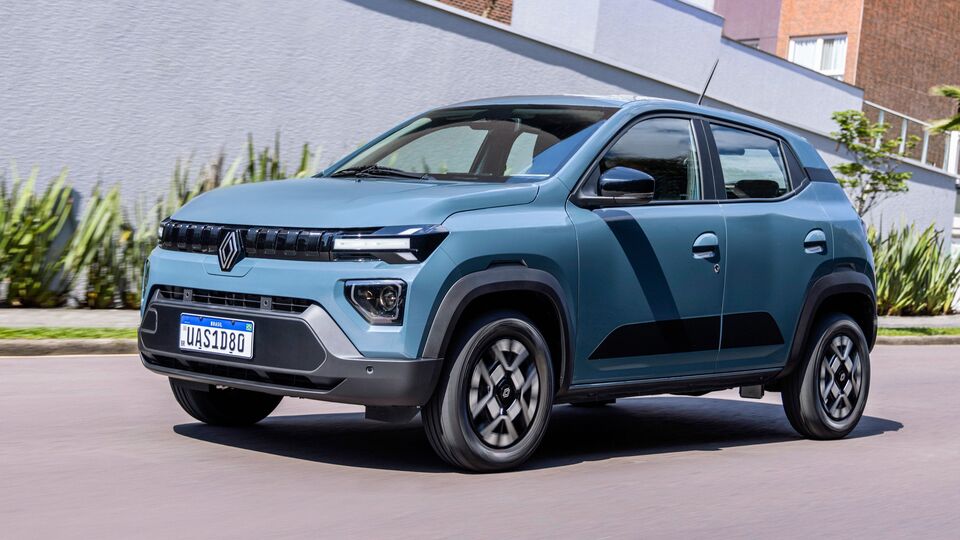
What Is Renault Group? Complete Guide to Its History, Brands, Electric Vehicles, Business Strategy, and Future of Mobility (2026)
The automotive industry is undergoing one of the biggest transformations in its history. Electric vehicles, connected cars, artificial intelligence, software-defined vehicles, and sustainable manufacturing are reshaping how cars are designed, built, and driven. At the center of this transformation is Renault Group, one of Europe’s most influential automobile manufacturers and a company that has played a significant role in the global automotive market for more than a century.
From producing affordable family cars to pioneering electric mobility and developing strategic global partnerships, Renault Group has evolved into much more than a traditional car manufacturer. Today, the company manages multiple automotive brands, invests heavily in software and electrification, and collaborates with international partners to compete in an increasingly technology-driven industry.
Whether you’re considering buying a Renault vehicle, researching the company’s business model, or simply interested in the future of mobility, understanding Renault Group provides valuable insight into how modern automotive companies are adapting to changing consumer demands and environmental challenges.
The History of Renault Group
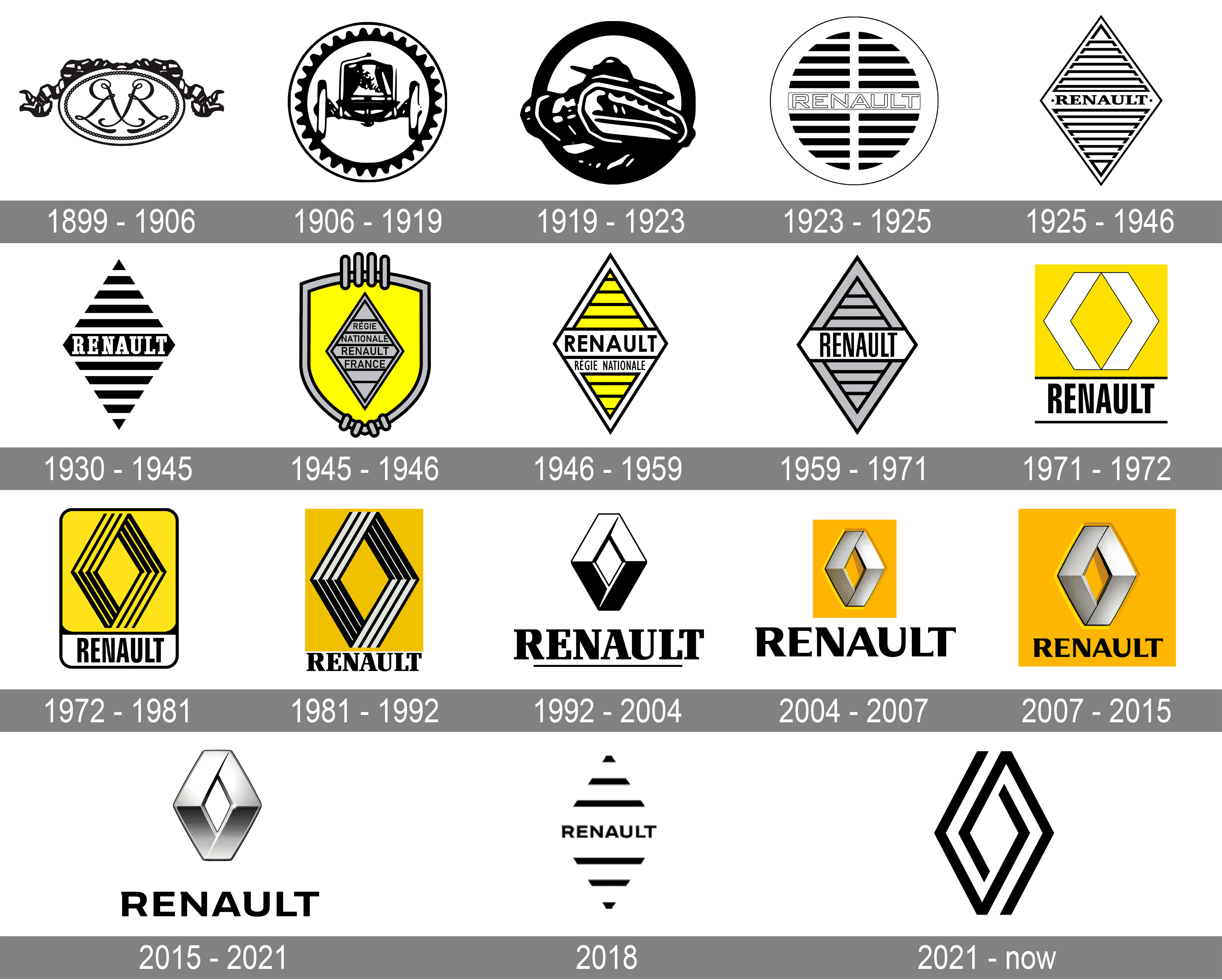
Renault was founded in 1899 by Louis Renault and his brothers Marcel and Fernand in France. The company quickly became known for engineering innovation and reliable vehicles. During the twentieth century, Renault expanded its product lineup and manufacturing capabilities, becoming one of Europe’s largest automobile manufacturers.
Over the decades, Renault introduced numerous successful passenger cars, commercial vehicles, and motorsport innovations. Its involvement in Formula One racing further strengthened its reputation for engineering excellence while helping develop technologies later applied to production vehicles.
Today, Renault Group operates in more than 100 countries, selling millions of vehicles annually through an extensive global dealer network.
Renault Group Brands
One of Renault Group’s greatest strengths is its diverse portfolio of automotive brands designed to serve different market segments.
Renault
The flagship Renault brand focuses on passenger vehicles, electric cars, SUVs, commercial vans, and hybrid models. It remains one of Europe’s best-selling automotive brands.
Dacia
Dacia has become one of Europe’s fastest-growing value-focused automotive brands by offering affordable vehicles with practical features and dependable engineering.
Alpine
Alpine represents Renault Group’s premium performance division. Originally famous for lightweight sports cars, Alpine is now expanding into electric performance vehicles while maintaining its motorsport heritage.
Mobilize
Mobilize focuses on future mobility solutions, including car-sharing services, financing, fleet management, charging infrastructure, and mobility-as-a-service platforms.
Renault Group’s Business Model
Unlike companies that rely solely on vehicle sales, Renault Group operates through multiple revenue streams.
These include:
- Passenger vehicle sales
- Commercial vehicle manufacturing
- Electric vehicles
- Financial services
- Vehicle leasing
- Fleet management
- Automotive software
- Mobility services
- After-sales support
- Spare parts
- Connected vehicle subscriptions
Diversifying revenue helps the company remain competitive despite changing consumer preferences.
Renault’s Electric Vehicle Strategy
Electric mobility has become one of Renault Group’s biggest priorities.
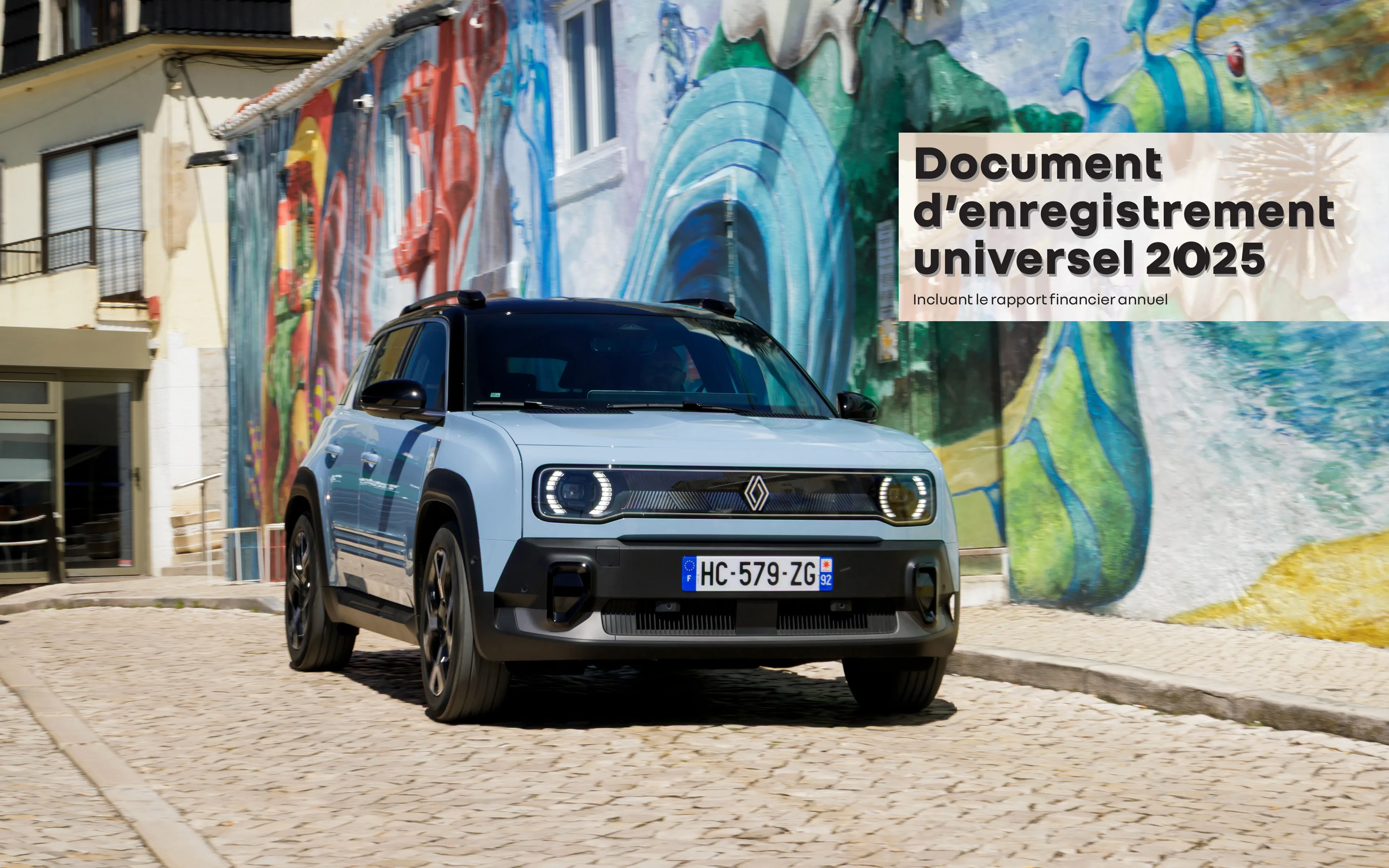
Long before many competitors entered the EV market, Renault invested in battery-powered vehicles such as the Renault Zoe, helping establish itself as an early European leader in electric transportation.
Today, Renault continues expanding its EV lineup with improved battery technology, longer driving ranges, faster charging capabilities, and software-powered vehicle experiences.
Its strategy also includes hybrid vehicles, sustainable manufacturing, battery recycling, and renewable energy integration.
Software-Defined Vehicles
Modern vehicles increasingly function like computers on wheels.
Renault Group is investing heavily in software-defined vehicles capable of receiving over-the-air updates, advanced driver assistance features, cloud connectivity, predictive maintenance, and AI-powered driving experiences.
This transition allows vehicles to improve throughout their lifespan without requiring dealership visits for many software enhancements.
Sustainability and Environmental Goals
Reducing environmental impact remains a central part of Renault Group’s long-term strategy.
The company is investing in:
- Carbon-neutral manufacturing
- Renewable energy
- Battery recycling
- Circular economy initiatives
- Sustainable supply chains
- Eco-friendly production facilities
These initiatives support both regulatory compliance and growing consumer demand for environmentally responsible transportation.
Why Renault Group Matters
Renault Group demonstrates how traditional automakers are transforming into technology-driven mobility companies.
Its investments in electrification, connected vehicles, software platforms, and sustainable manufacturing position the company to compete in the next generation of transportation.
For consumers, this means more efficient vehicles, smarter technology, and expanded mobility services. For investors and industry observers, Renault represents one of Europe’s most significant automotive transformation stories.
Frequently Asked Questions
What is Renault Group?
Renault Group is a French multinational automobile manufacturer that designs, manufactures, and sells passenger cars, commercial vehicles, electric vehicles, and mobility services worldwide.
Which brands belong to Renault Group?
Renault Group includes Renault, Dacia, Alpine, and Mobilize.
Is Renault focused on electric vehicles?
Yes. Renault has invested heavily in electric mobility, hybrid technology, sustainable manufacturing, and battery innovation.
What is the Renault-Nissan-Mitsubishi Alliance?
It is a strategic partnership between the three automakers that enables technology sharing, joint vehicle platforms, and global manufacturing collaboration.

Conclusion
Renault Group has evolved from a traditional automobile manufacturer into a global mobility and technology company. With more than a century of engineering expertise, a portfolio of respected automotive brands, and a strong commitment to electrification and sustainability, the company continues to play a major role in shaping the future of transportation.
As the automotive industry moves toward electric vehicles, software-defined mobility, and intelligent connected ecosystems, Renault Group’s investments in innovation, strategic partnerships, and environmental responsibility position it for continued growth in the years ahead. Whether you’re a potential customer, automotive enthusiast, or investor, understanding Renault Group provides valuable insight into one of the world’s leading automotive organizations.