
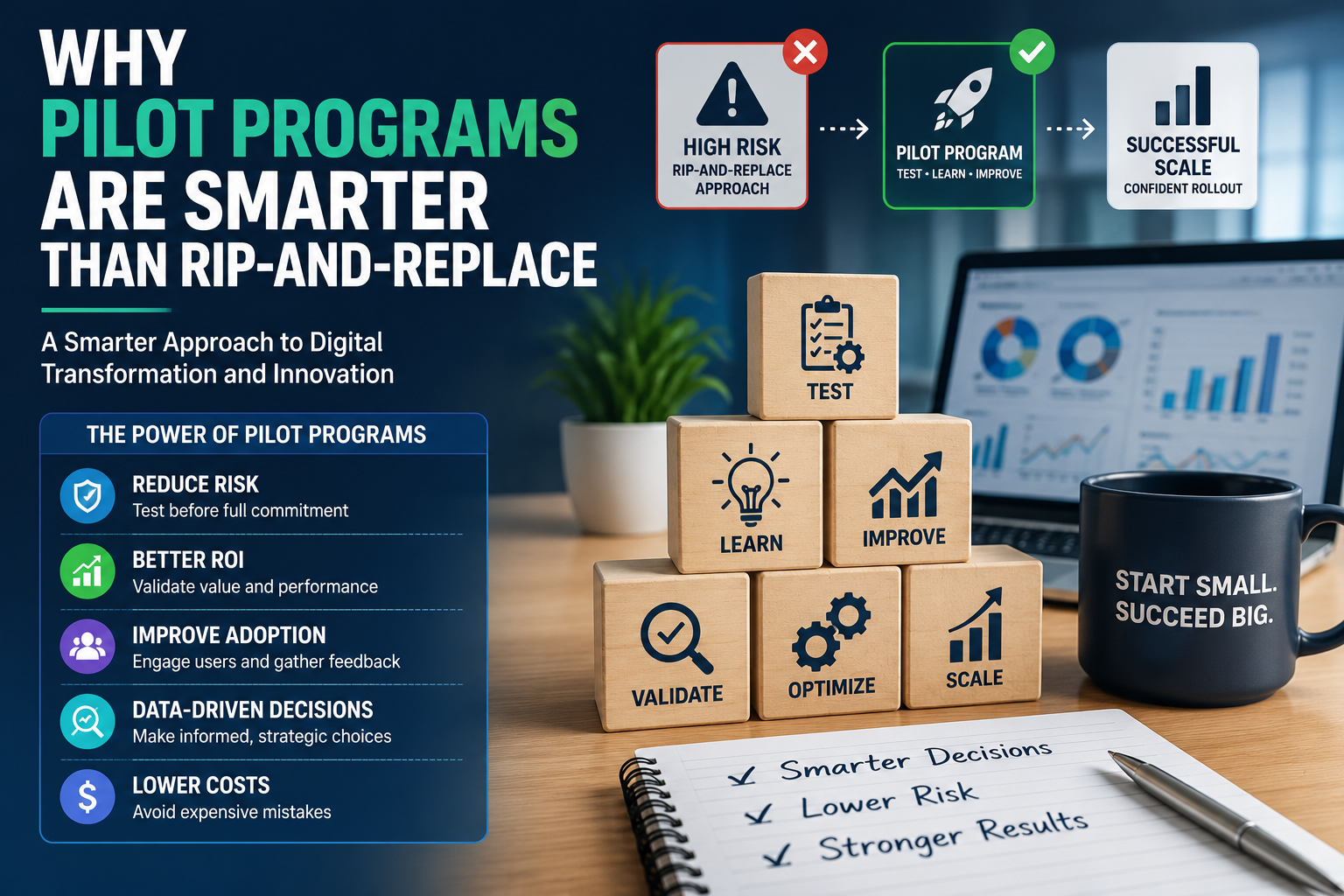
Digital transformation has become a top priority for organizations looking to improve efficiency, reduce operational costs, and stay competitive in a rapidly evolving market. Whether implementing artificial intelligence (AI), enterprise resource planning (ERP) systems, cloud computing, or automation tools, businesses often face a critical decision: should they replace their existing systems all at once or introduce change gradually?
While a complete “rip-and-replace” approach may seem like the fastest route to modernization, it often comes with significant risks, including operational disruptions, unexpected costs, employee resistance, and project failures. A more practical and increasingly popular alternative is the pilot program—a controlled, small-scale implementation that allows organizations to test new technologies, evaluate performance, and gather real-world feedback before committing to a full rollout.
In today’s competitive business environment, pilot programs have become an essential strategy for reducing risk and ensuring successful digital transformation.
What Is a Pilot Program?
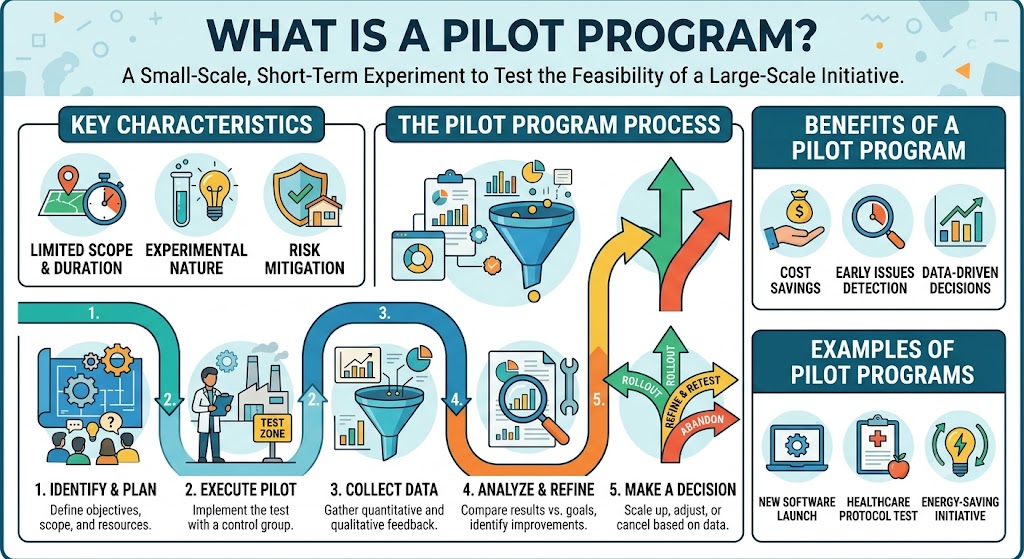
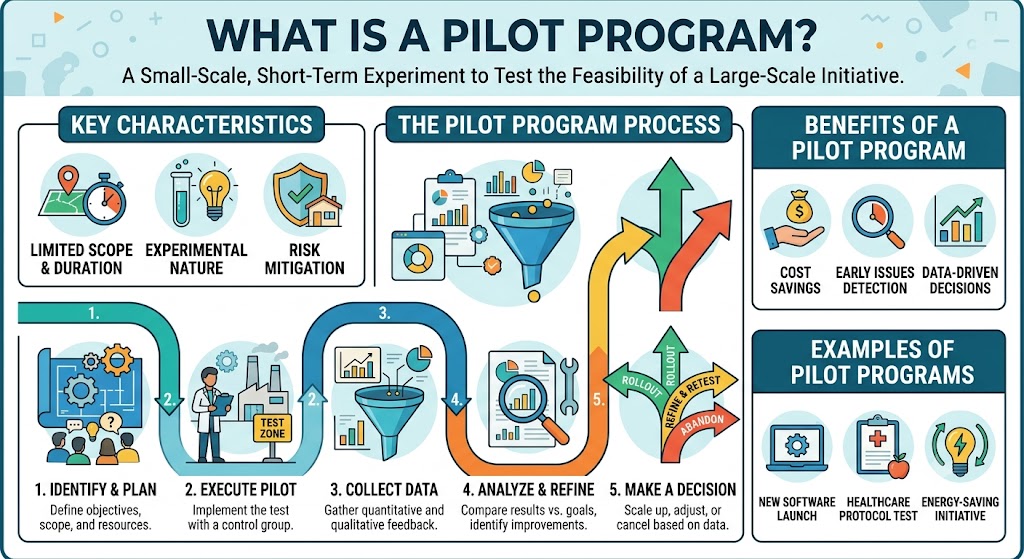
A pilot program is a limited trial of a new technology, process, or business solution conducted within a specific department, location, or group of users before organization-wide deployment. It provides businesses with an opportunity to validate assumptions, identify potential challenges, and measure performance under real operating conditions.
Unlike theoretical testing or demonstrations, pilot programs generate valuable insights based on actual business workflows. Companies can assess whether a solution integrates effectively with existing systems, meets user expectations, and delivers measurable business value.
This approach is widely used across industries, including manufacturing, healthcare, finance, retail, logistics, and information technology, because it minimizes uncertainty while improving decision-making.
Why “Rip-and-Replace” Projects Often Fail
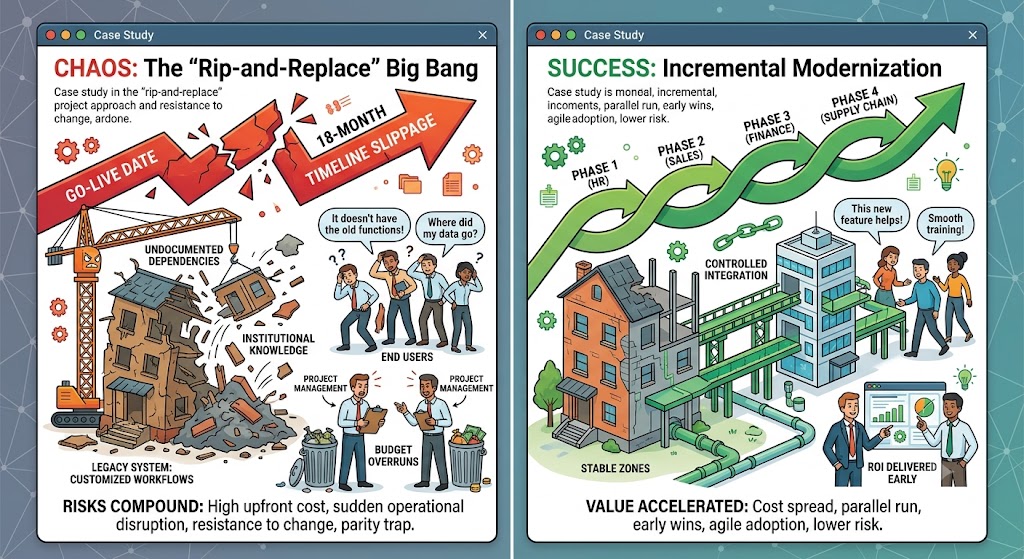
Many organizations assume that replacing legacy systems in a single phase will accelerate transformation. However, large-scale implementations frequently encounter unexpected obstacles.
Common challenges include:
- High implementation costs.
- Business interruptions during migration.
- Data integration issues.
- Employee resistance to change.
- Unexpected compatibility problems.
- Extended project timelines.
When these issues occur after a full deployment, recovering can be both expensive and time-consuming.
Pilot programs help organizations uncover these risks early, allowing adjustments before investing significant resources.
Key Benefits of Pilot Programs
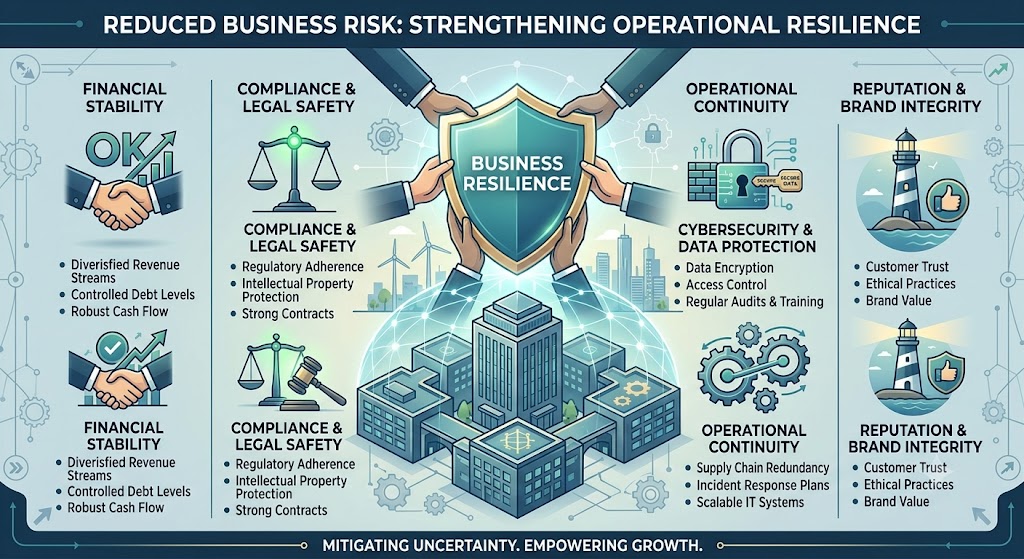
Reduced Business Risk
Perhaps the greatest advantage of a pilot program is risk reduction. Instead of exposing the entire organization to an untested solution, businesses evaluate technology in a controlled environment.
If issues arise, they affect only a small group of users, making corrections faster and less costly.

Better Return on Investment (ROI)
Technology investments often require substantial budgets. A pilot program helps organizations determine whether a solution delivers measurable value before committing to enterprise-wide implementation.
Businesses can evaluate:
- Productivity improvements.
- Cost savings.
- Customer satisfaction.
- Employee adoption.
- Operational efficiency.
These insights support smarter investment decisions and improve long-term ROI.

Improved Employee Adoption
People are often the biggest challenge in digital transformation. Employees may hesitate to adopt unfamiliar technologies, especially if they fear disruption to their daily work.
Pilot programs allow selected teams to gain hands-on experience, provide feedback, and become internal advocates for the new solution. Their success stories help build confidence throughout the organization, making broader adoption much smoother.

Using Data to Make Better Decisions
One of the biggest advantages of a pilot program is access to real performance data rather than assumptions.
Businesses can monitor key performance indicators (KPIs) such as:
- Process completion times.
- System reliability.
- User satisfaction.
- Error rates.
- Customer experience.
- Operational costs.
These metrics enable leaders to make informed decisions about expanding, modifying, or postponing the implementation based on measurable results instead of guesswork.
Best Practices for Running a Successful Pilot Program
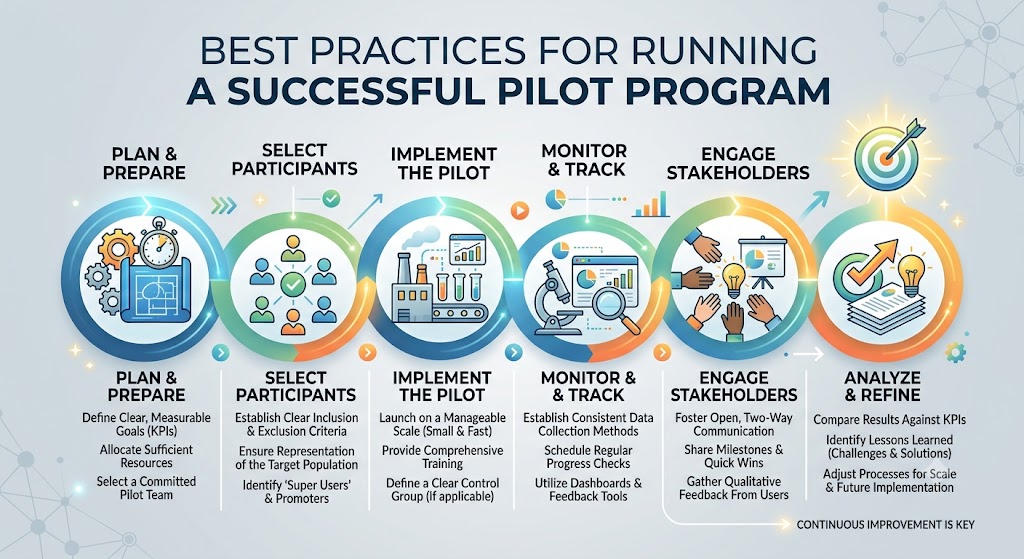
A successful pilot program starts with clear objectives. Define what success looks like before implementation, whether it’s reducing costs, improving productivity, or increasing customer satisfaction.
Follow these best practices:
- Set measurable goals and KPIs.
- Choose a small but representative group of users.
- Provide proper employee training.
- Collect regular feedback from participants.
- Monitor performance throughout the pilot.
- Refine the solution before expanding it.
A well-planned pilot creates a strong foundation for a successful organization-wide rollout.
Common Mistakes to Avoid
Even the best pilot programs can fail if they are poorly managed. Avoid these common mistakes:
- Choosing too many users for the pilot.
- Setting unrealistic expectations.
- Ignoring employee feedback.
- Failing to measure results.
- Rushing into a full rollout without improvements.
Treat the pilot as a learning opportunity, not just a technical test.
Real-World Applications
Pilot programs are widely used across industries:
- Healthcare: Testing AI-powered diagnostic tools before hospital-wide adoption.
- Manufacturing: Evaluating smart factory automation in a single production line.
- Retail: Trialing new point-of-sale systems in selected stores.
- Finance: Piloting fraud detection software with limited customer groups.
- IT & SaaS: Launching beta versions of software to gather user feedback before public release.
These controlled deployments reduce risk while increasing confidence in the final implementation.
Frequently Asked Questions
What is a pilot program?
A pilot program is a small-scale trial that tests a new process, technology, or system before full implementation.
Why are pilot programs important?
They reduce business risk, validate performance, improve employee adoption, and help organizations make data-driven decisions.
How long should a pilot program last?
Most pilots run for a few weeks to several months, depending on project complexity and business objectives.
Which industries benefit from pilot programs?
Healthcare, finance, retail, manufacturing, logistics, education, government, and technology companies all use pilot programs to test innovations safely.
Conclusion
Pilot programs have become a proven strategy for successful digital transformation. Instead of risking expensive failures through a “rip-and-replace” approach, businesses can test new technologies in a controlled environment, gather valuable insights, and make informed decisions before investing at scale.
Whether you’re implementing AI, cloud solutions, ERP systems, or business automation, a well-executed pilot program minimizes risk, improves ROI, and increases the likelihood of long-term success. In today’s fast-changing digital landscape, testing before scaling isn’t just a smart strategy—it’s a competitive advantage.